
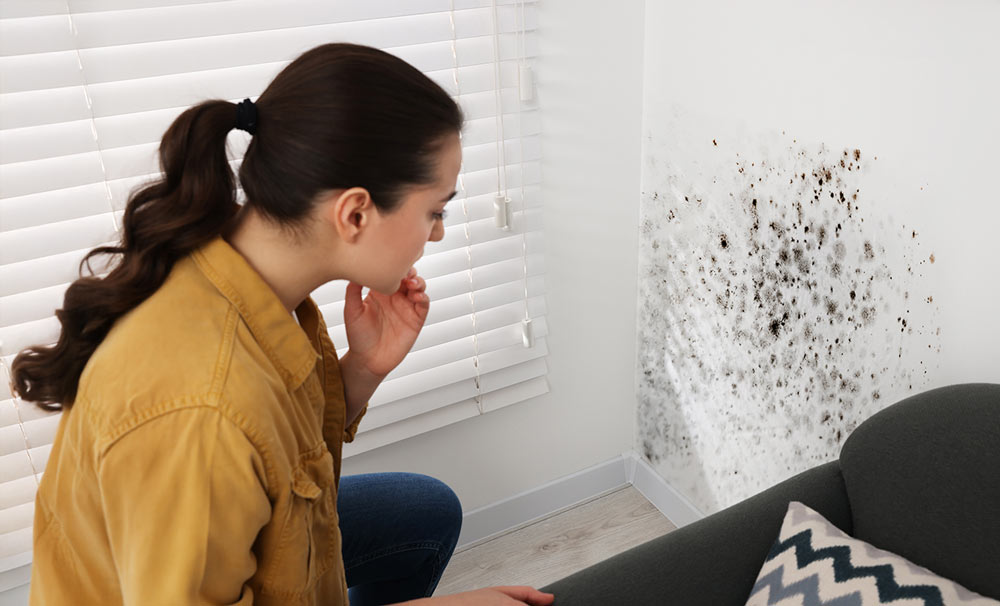
Damp and mould are common issues in rental properties that can affect the health of tenants, damage property, and lead to legal consequences for landlords. Understanding damp and mould regulations is essential for landlords who want to maintain safe, compliant, and habitable homes. This guide explains what landlords need to know about their responsibilities, the legal framework, and practical steps to prevent and address damp and mould in rental properties.
Understanding Damp and Mould in Rental Properties
Damp occurs when there is excess moisture in walls, floors, or ceilings, which can result from condensation, leaks, or rising damp. Mould, often caused by prolonged damp, can appear as black, green, or white patches on walls, ceilings, and window frames. Both damp and mould pose risks to tenants, including respiratory problems, allergies, and general discomfort, and can also damage building structures and finishes.
For landlords, failing to manage damp and mould can have serious consequences. Not only can it lead to costly repairs, but it may also result in breaches of housing standards and potential legal action.
Legal Responsibilities of Landlords
Landlords in the UK have a legal duty to provide safe, habitable accommodation. Under the Housing Health and Safety Rating System (HHSRS), damp and mould are considered Category 1 hazards when they pose a significant risk to tenants’ health. This means that landlords are required to take action to prevent or remediate damp and mould.
Key legal responsibilities include:
-
Ensuring the property is free from serious damp or mould hazards at the start of a tenancy.
-
Taking prompt action if a tenant reports damp or mould.
-
Maintaining adequate ventilation, heating, and insulation to prevent moisture build-up.
-
Conducting regular inspections to identify potential risks.
Failure to comply with these obligations can result in enforcement action from local authorities, including fines, improvement notices, or even prosecution.
The Government’s Guidance on Damp and Mould
The UK government has issued clear guidance for landlords regarding damp and mould regulations. This guidance highlights the importance of prevention, timely reporting, and proper remediation. Landlords are expected to:
-
Respond promptly to complaints about damp or mould.
-
Investigate the root cause, whether it’s condensation, leaks, or rising damp.
-
Use safe and effective methods to remove mould.
-
Take preventative measures, such as repairing leaks, improving ventilation, and maintaining heating systems.
By following this guidance, landlords can ensure they meet their legal obligations and provide safe, healthy homes for tenants.
Common Causes of Damp and Mould
Understanding the causes of damp and mould is essential for landlords to take preventative action. Common causes include:
-
Condensation – Often caused by poor ventilation, inadequate heating, or high humidity in kitchens and bathrooms.
-
Leaking Roofs or Pipes – Water ingress from damaged roofs, gutters, or plumbing can lead to structural damp.
-
Rising Damp – Moisture from the ground can penetrate walls if proper damp-proofing is not in place.
-
Poor Insulation – Lack of insulation can cause cold surfaces that encourage condensation and mould growth.
-
Blocked or Poor Ventilation – Insufficient airflow traps moisture, increasing the likelihood of mould forming.
By identifying the cause, landlords can take targeted action that addresses the problem at its source rather than just treating the symptoms.
How to Comply with Damp and Mould Regulations
Landlords can take several practical steps to comply with damp and mould regulations:
1. Regular Property Inspections
Conduct routine inspections to check for signs of damp, leaks, or mould growth. Document findings and take corrective action promptly.
2. Maintain Heating and Ventilation
Ensure properties have adequate heating and ventilation, particularly in kitchens, bathrooms, and bedrooms, to reduce condensation risks.
3. Fix Leaks and Structural Issues Quickly
Repair leaking roofs, windows, or plumbing promptly to prevent water ingress and structural damage.
4. Provide Tenant Guidance
Advise tenants on best practices, such as using extractor fans, keeping rooms ventilated, and reporting damp or mould early.
5. Use Professional Remediation Services
For serious mould problems, hire qualified specialists to safely remove mould and address the underlying moisture issues.
6. Keep Detailed Records
Maintain records of inspections, maintenance, and tenant reports to demonstrate compliance with legal obligations if needed.
Health Implications and Liability
Damp and mould can have serious health impacts on tenants, including asthma, allergies, and respiratory infections. If a tenant suffers health issues due to poorly managed damp, landlords may face legal claims. Complying with damp and mould regulations not only protects tenants but also limits the landlord’s liability and builds trust with tenants.
Benefits of Proactive Damp and Mould Management
Proactive management of damp and mould offers multiple benefits for landlords:
-
Reduced Repair Costs – Preventative action is cheaper than large-scale remediation.
-
Longer Property Lifespan – Properly maintained properties avoid structural damage caused by moisture.
-
Higher Tenant Satisfaction – Safe, dry, and healthy homes attract long-term tenants.
-
Regulatory Compliance – Demonstrates adherence to housing laws and guidance, reducing legal risk.
-
Enhanced Reputation – Landlords who act responsibly are more likely to receive positive tenant reviews.
Case Study Example
Consider a landlord managing a portfolio of 20 properties. By implementing a proactive inspection schedule and promptly addressing minor leaks and condensation, they were able to reduce reported mould cases by 75% over 12 months. Not only did this improve tenant satisfaction, but it also reduced emergency repair costs and maintained property value.
Conclusion
Understanding and complying with damp and mould regulations is critical for landlords who want to provide safe, healthy, and compliant rental properties. By identifying the causes of damp and mould, conducting regular inspections, maintaining heating and ventilation, and taking prompt corrective action, landlords can reduce costs, protect tenant health, and avoid legal issues.
Proactive management is the key. Treating damp and mould as a priority rather than a reactive issue ensures that properties remain desirable, safe, and well-maintained for years to come.


